
Banana Boat
A dream is never just a dream


White magnolias bloom overnight. This is what Banana Boat seems to scream in a whisper. Transformation comes just as suddenly as the moon changes phase. In moments mundane, then remarkable. Puberty, a prime example, of those moments when change ambushes with its form. But silence is sometimes suffused with vendetta. Things don’t just happen. One is always in the process of becoming.
The self we adore, the one we carve out for those whom we love, the self we take to society, the self we bury after childhood, the self we stab in front of mirrors, the self we deny existence, the self we witness get hurt by others, the self we love all die and resurrect at odd moments. Our faces shed, and we grow new facades as we face life. White magnolias bloom overnight. And, after giving us feathers, what we call love will sooner fashion a cage for us than erect a birdbath in our honour.
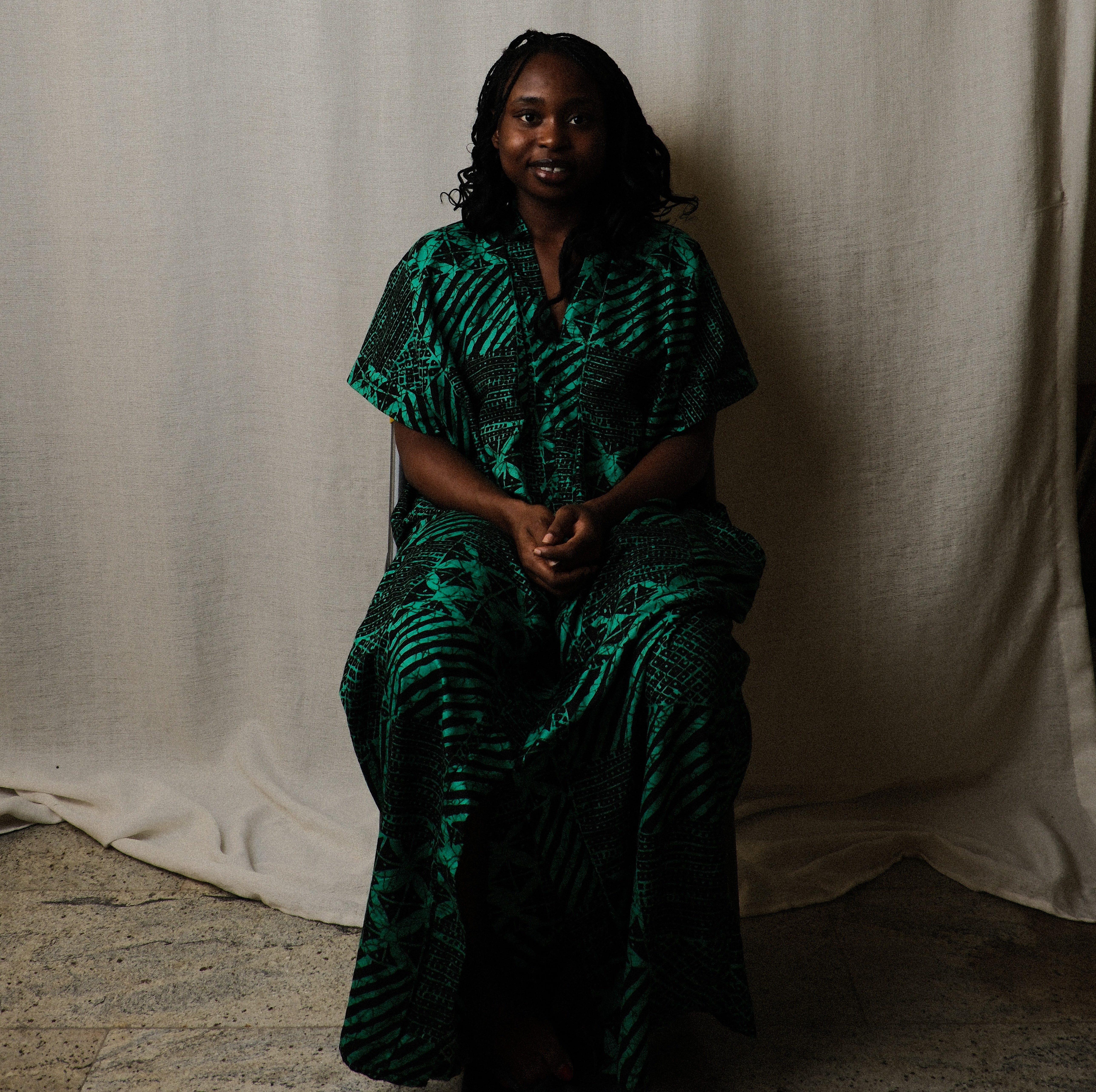
Written, directed, and produced by Kufreabasi Eyo, Banana Boat is a picture that unravels a woman’s subconscious contemplation of a love that has lost its heart. It opens with a gorgeous close on a young woman, probably returning from a rave or just another evening, who falls asleep. The camera eddies into the blurriness of her closed eyelids.
We are in her head, her dream. A white background so clinical it dilutes its own disorientation. The protagonist riffs off a mini monologue that comes off as monotone, even though her contemplative words hint at an emotional depth that materialises instead as a disembodied feeling of deep ache.
Perhaps, it is tiredness that vampire-drains the melancholic verve that ought to bleed through here. We watch her yearn for a man in a hallway. The lighting here is blue and red: the colours that trail a siren. Perhaps this entire sequence is an ambulance, and the following scene is the surgery, where the malignant tumour of doubt and desire is excised and exhumed.
Banana Boat is a film of movement: waking to sleeping; warehouse to corridor; water to grassland. The protagonist, caught in the titular banana boat with what seems to be an on-again, off-again lover, abandons her attempt at salvaging what might be the dagger in her chest, and is thus transformed.
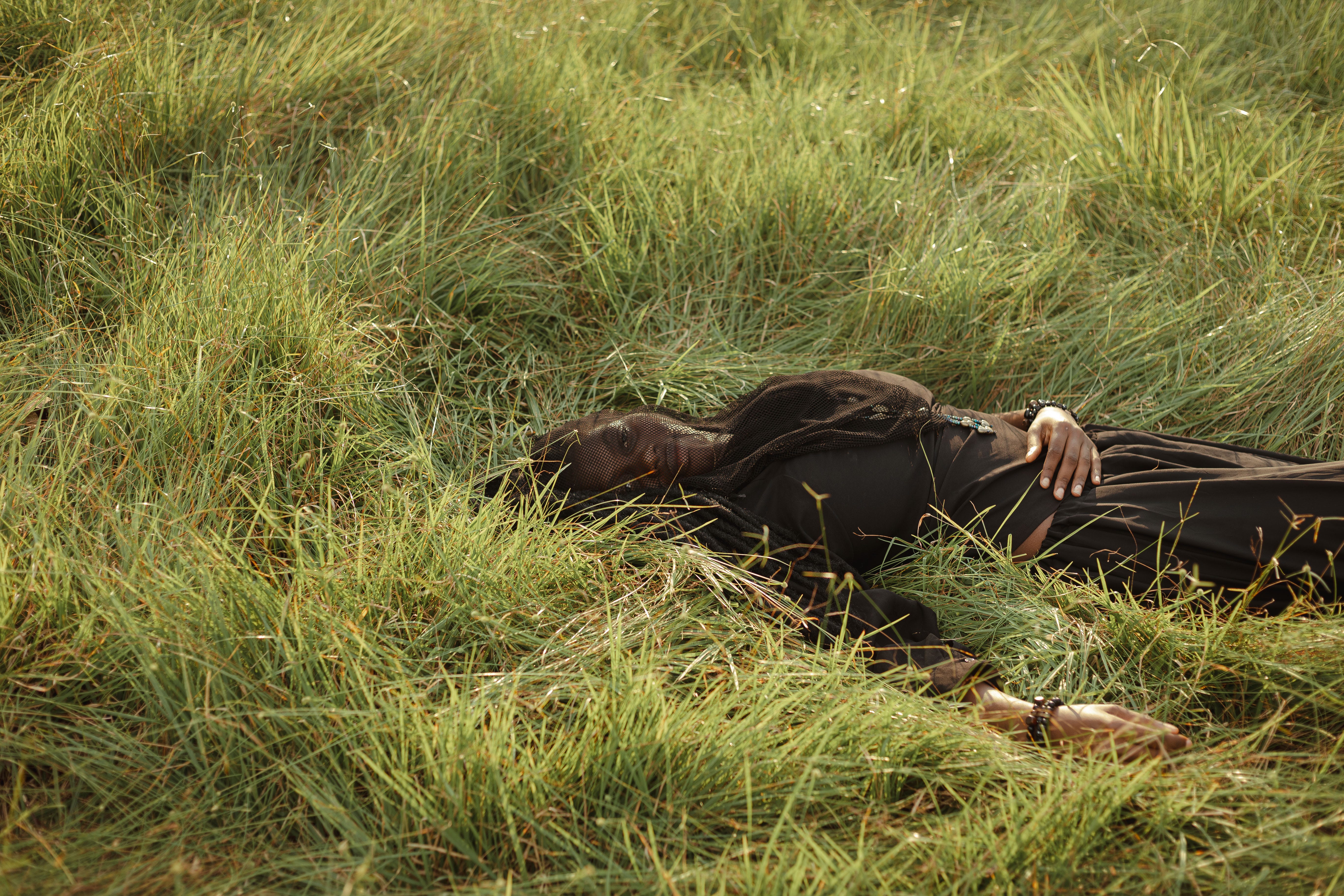
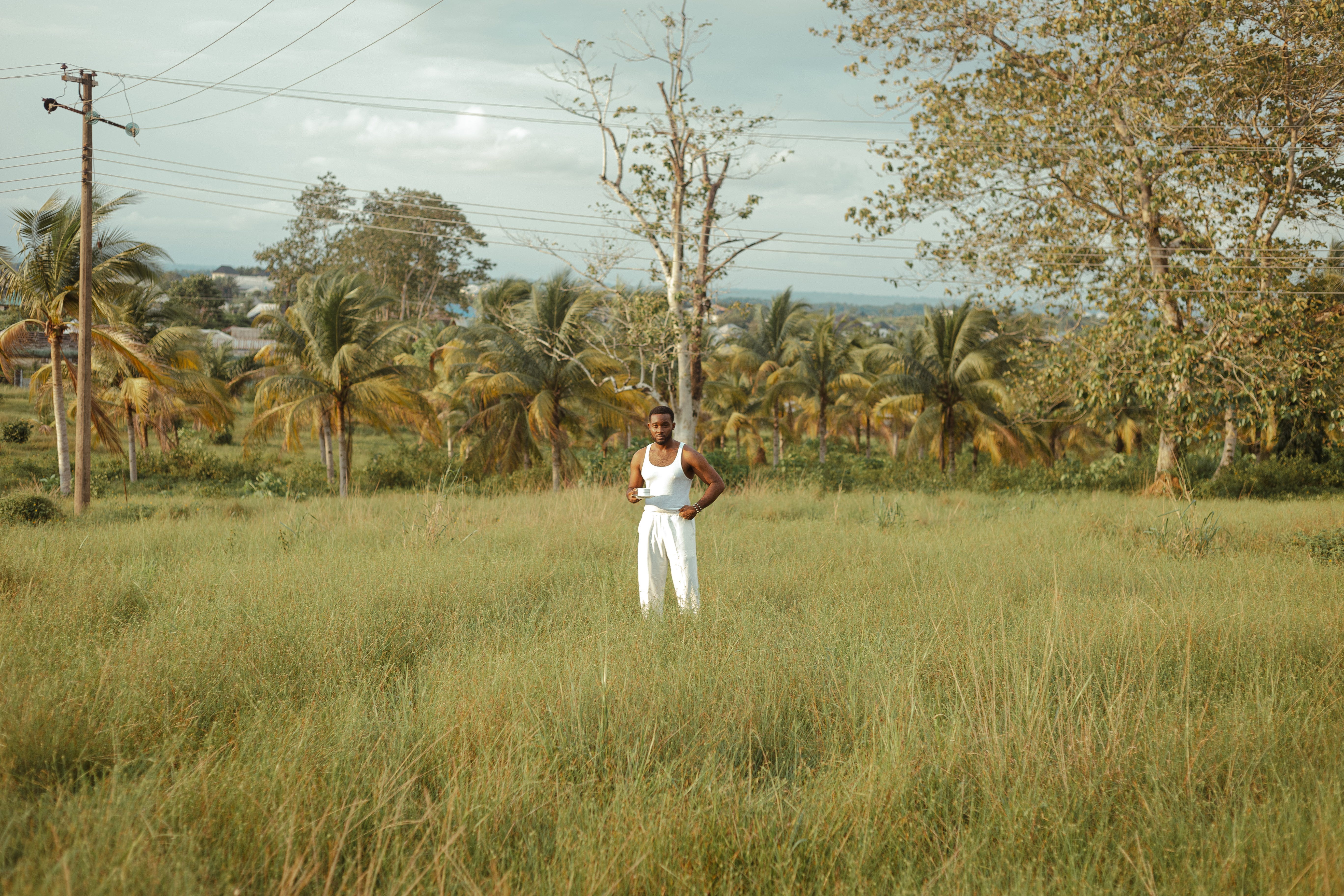
In a shot that pays homage to Park Chan-Wook’s Oldboy, where Oh Dae-su is released into the world, our protagonist, also dressed in all-black, wakes in a sprawling grass field. She is attended to by a man dressed in white, perhaps a vision of who or what her next lover ought to be, considering her former lover from the boat was dressed in all-black.
This is a debut realised on a limited budget with a very tight shooting window, so the unnecessary zoom in the field scene can be forgiven, and the dialogue that seems to cut off and resume in a jagged manner, the surface-level acting (the woman pounding the boat with a palm frond gave the best performance).
But the lighting is where the magic happens. And you can see a genuine attempt to capture the uncanniness that exists within dreams, a grappling with the unconscious. Though the attempt is not as successful as in Lynch or Freud, the visual language is there, and while some people might be placebos, not our lovers for life, white magnolias bloom overnight.
 | A guest post by
|
You can see Banana Boat by becoming a member of Nocturna Film House. Visit our Instagram (linked in our bio) for more.